Flag Unfurling in India
Understanding the Difference Between Hoisting and Flag Unfurling
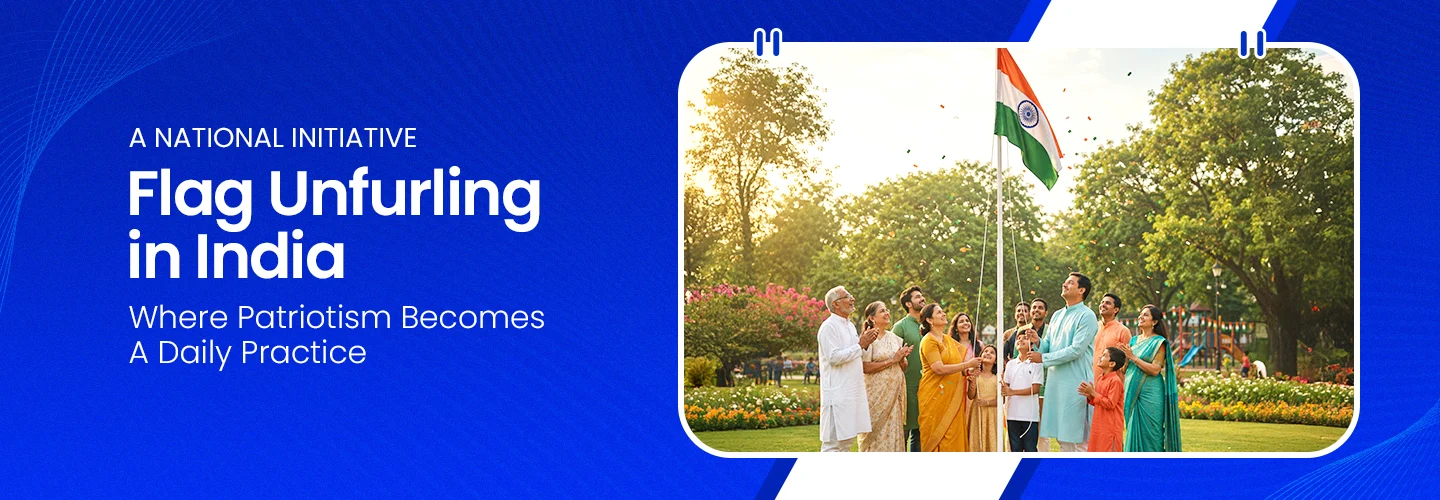
Flag unfurling and flag hoisting are two separate ceremonial aspects of India’s celebrations. While the terms are used frequently interchangeably in public discourse, they refer to separate historical periods. Flag hoisting is the act of raising the flag from the base of the pole to the top. Flag unfurling, however, occurs only when the flag is already mounted at the top of the pole and released in order to let the flag open outward.
The key difference lies in how the flag is handled and what each moment represents. Each ceremony reflects the unique significance of the day it marks.
India’s Rise as a Sovereign Nation
Every year on 15th August, the Prime Minister of India hoists the Tiranga at the Red Fort. The moment is a reminder of the long struggle and sacrifices that led to India’s independence.
The Independence Day flag hoisting honours those who fought for freedom and reflects the spirit that brought the nation together. In contrast, the Republic Day ceremony, where the flag is unfurled, represents the strength of our Constitution and the functioning of India as a Republic.
Affirming Constitutional Authority Every Republic Day
Republic Day marks the day India adopted its Constitution and truly became a republic, moving beyond the laws left behind by British rule. It’s a moment that reaffirmed our independence and is now celebrated every year with pride across the country.
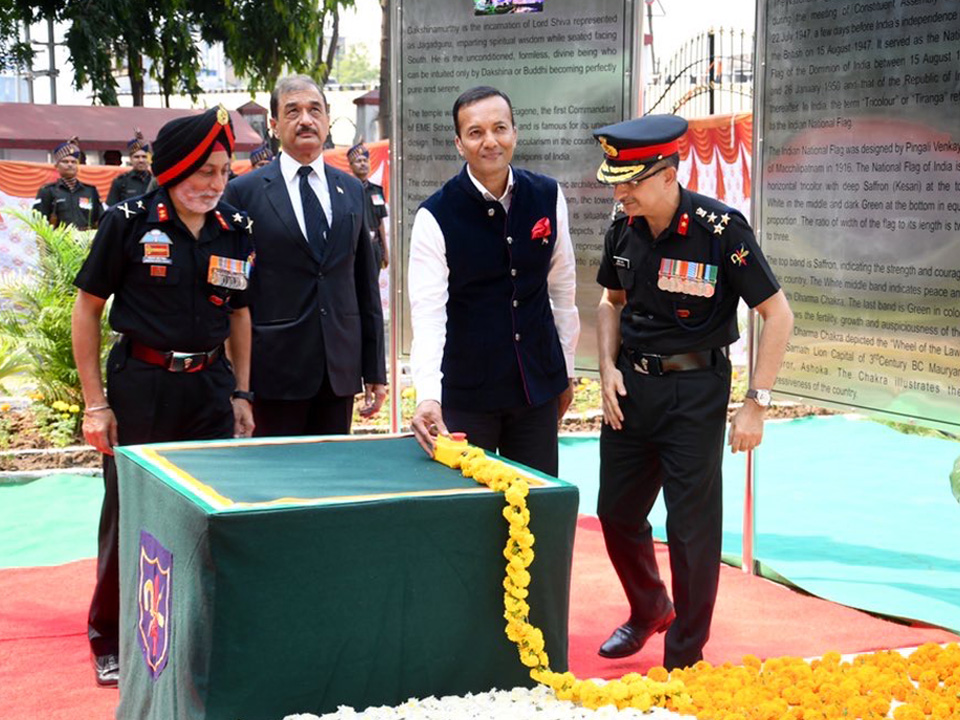
At the India Republic Day flag ceremony, the President of India unfurls the national flag at Kartavya Path in front of thousands of people. Unlike Independence Day, the flag is not raised from the bottom. It is already in place and is opened outwards in a ceremonial unfurling.
While many refer to it as flag hoisting, Republic Day is actually about unfurling the flag. It reflects the stability of our nation, the strength of our democracy, and the values laid down in our Constitution.
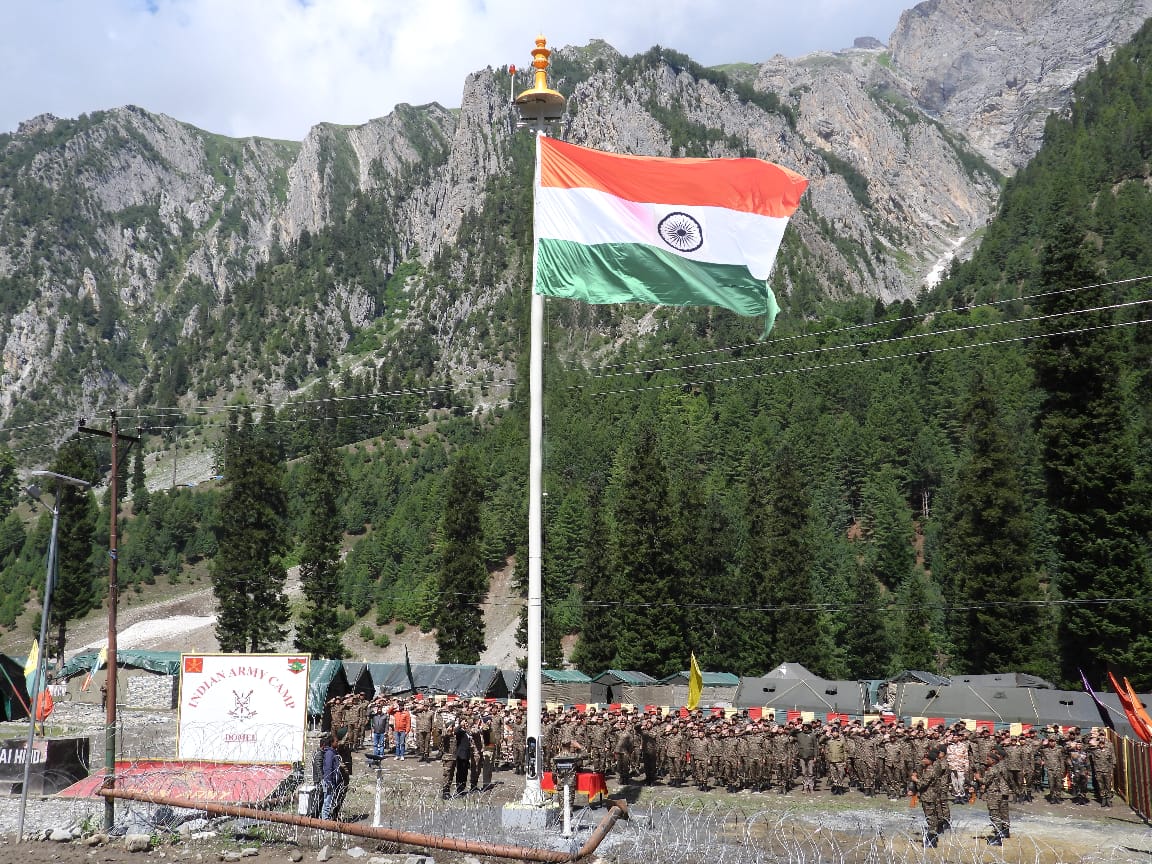
Observation and National Protocol: Flag Unfurling and Hoisting
Understanding the right way to hoist and unfurl the national flag is important to ensure it is always treated with dignity and respect. At the Flag Foundation of India, we work to create awareness around these practices so that every citizen knows how to honour the Tiranga correctly.
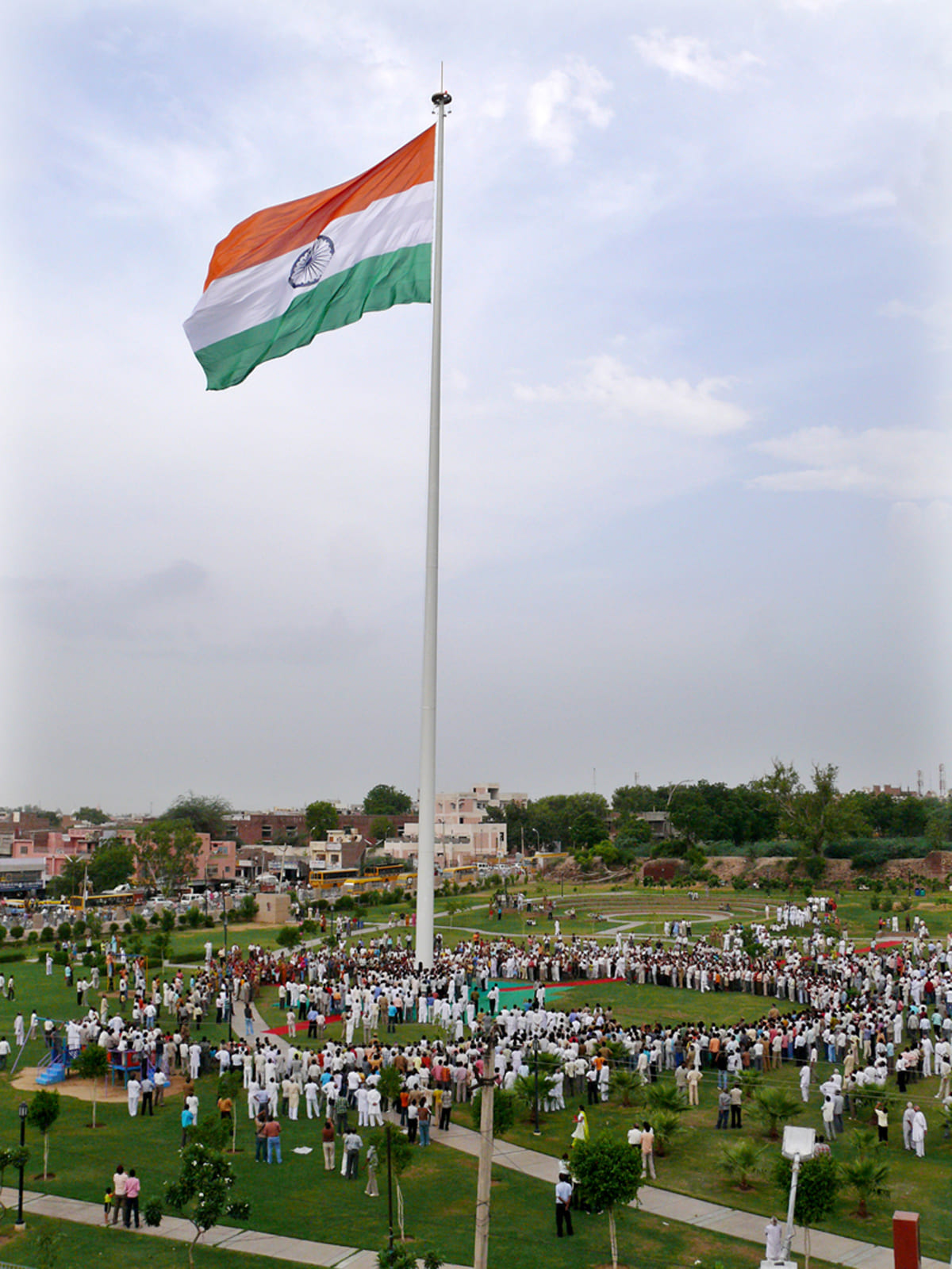
Our monumental flag installations reflect this commitment to proper flag display and respect. Through our efforts, we aim to make the Tiranga a part of everyday pride, while helping people understand the responsibility that comes with it.
A short reference for understanding the initiative, the official guidelines, and how to participate.